
Getting spacing and timing right is one of the cheapest ways to improve yields. Crowded plants compete for light, water and nutrients, while wide spacing wastes land. The figures below come from the Sidai Seeds Vegetable Seed Catalogue 2026.
Spacing, maturity and seed rates
| Crop and variety | Spacing | Maturity | Seed rate / yield |
|---|---|---|---|
| Cabbage – Copenhagen | 60 × 45 cm | 70–75 days | 100 g per acre |
| Carrot – Nantes | 45 × 8 cm | 90–120 days | — |
| Onion – Red Creole | 30 × 8 cm | Early–medium | 1.25 kg per acre |
| Sweet pepper – California Wonder | 60 × 30 cm | 80–90 days | 100 g per acre |
| Spinach – Ford Hook Giant | 45 × 30 cm | 60–65 days | 1.5 kg per acre |
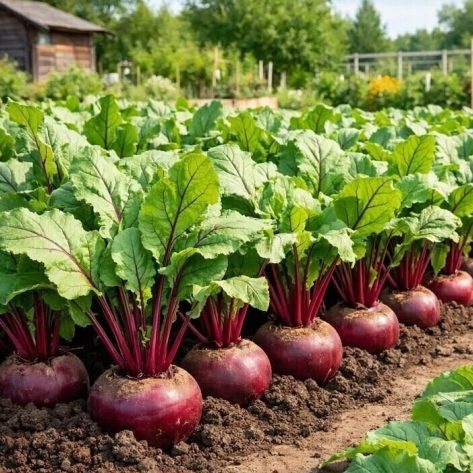
| Beetroot – Detroit Dark Red | 30 × 10 cm | 80–90 days | Yield 12–23 t per acre |
| Cucumber – Ashley | 150 × 75 cm | 45–60 days | Harvest 2.5 t per acre |
| Butternut | 100 × 75 cm | 75–90 days | Yield 14–21 t per acre |
| Collard – Southern Georgia | 60 × 45 cm | First picking 30–40 days | 3.5 kg per acre |
| Coriander – Daima | 30 × 10 cm | 4–8 weeks | Yield 12–15 t per acre |
| Managu – Giant Nightshade | 30 × 15 cm | First harvest 35–45 days | — |
| Spider plant – Sagret | 45 × 25 cm | — | — |
| Amaranthus – Dubius | 45 × 15 cm | First harvest 3–4 weeks | — |
Before you plant
- Test your soil. Sidai field teams can test soil on your farm and give fertiliser recommendations.
- Choose varieties that suit your market: fresh market, processing or home consumption.
- Prepare a fine, firm seedbed and plan irrigation for dry spells.
- Buy certified seed from a trusted stockist and keep the packet for its batch details.
Crop-specific tips from the catalogue
- Cucumber requires staking for good production.
- Spider plant prefers warm seasons above 15 °C and full sun, needs regular weeding in the first six weeks and is sensitive to drought.
- Amaranthus can be ratooned: cut, leaving 10–15 cm for regrowth, to harvest every 2–3 weeks.
- Collard leaves stay fresh for 3–5 days after harvest, depending on temperature.
Talk to a Sidai agronomist about the best varieties and planting dates for your area.
This guide gives general information. Always read and follow product labels, and ask a qualified Sidai vet or agronomist for advice on your own animals or crops.